
Top 3 Sustainable Green Roofs
Built for Minnesota's Intense Climate
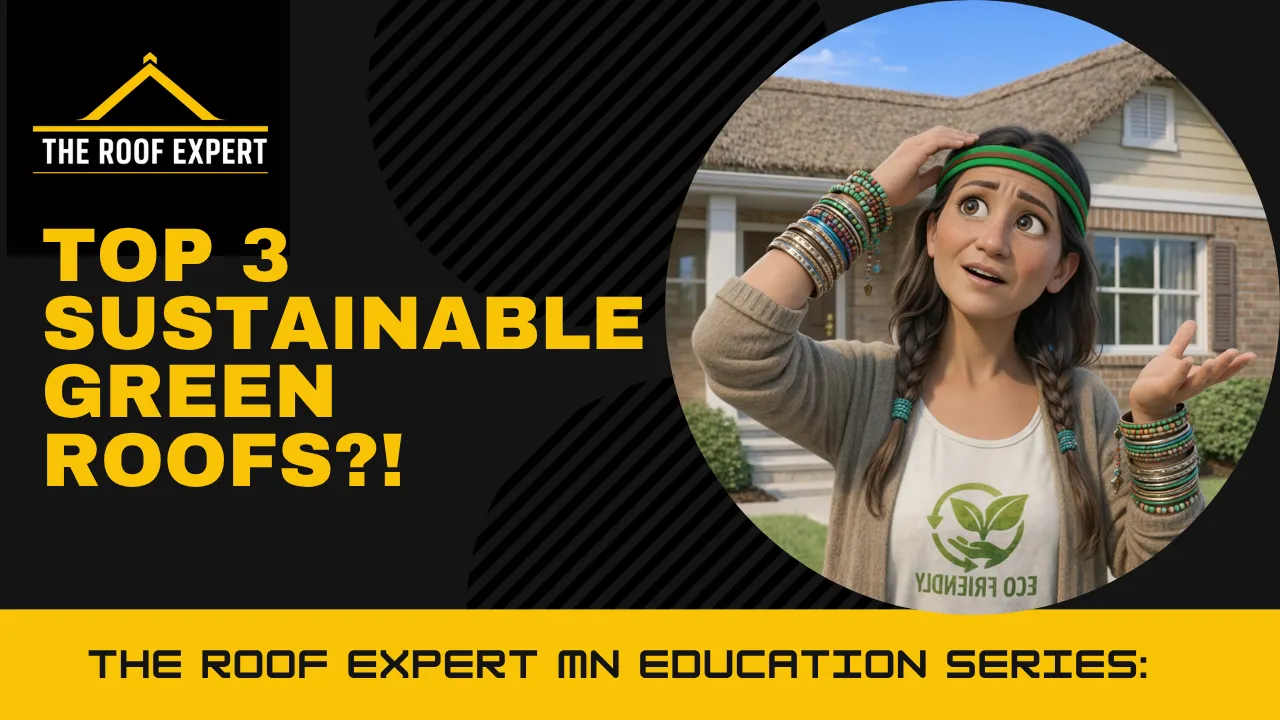
As environmental awareness grows and home energy costs continue to climb across the Twin Cities, more homeowners are looking past traditional asphalt shingles. They want roofing materials that lower their carbon footprint, reduce urban heat island effects, and cut down on monthly utility bills.
However, "going green" in Minnesota is uniquely challenging. A sustainable roof must be tough enough to survive sub-zero winter freezes, heavy snow loads, and scorching summer heat waves.
If you are looking to invest in an eco-friendly property upgrade, here are the top 3 sustainable roofing systems currently proven to thrive in the Midwest.
1. Recycled Composite and Synthetic Shingles
If you love the timeless aesthetic of natural slate tiles or cedar split-shakes but hate the environmental impact and high maintenance, synthetic composite shingles are the ultimate solution.

The Green Factor: These high-performance shingles are manufactured using up to 80% recycled post-industrial plastics and sustainable rubber compounds. They divert thousands of pounds of waste away from local Minnesota landfills.
The Structural Advantage: Composite roofs carry a Class 4 Impact Rating (the highest wind and hail rating possible) and routinely last 50+ years, meaning you will likely never have to consume manufacturing resources for a roof replacement ever again.
2. Structural Living "Green" Roof Grids
A true living roof utilizes a waterproof membrane, a root barrier system, and a lightweight engineered soil bed to grow live vegetation directly on top of your home or garage structure.
The Green Factor: Living roofs act as natural insulation, keeping your home incredibly cool in the summer and slashing air conditioning costs. They also absorb stormwater runoff, easing the burden on local municipal drainage systems.
The Structural Advantage: For residential homes in Minneapolis, modular pre-planted trays featuring hardy succulents like Sedum are highly recommended. These plants easily survive intense winter dormancy and bounce back beautifully every spring without requiring constant watering.
3. High-Recycle Standing Seam Metal Roofing
While metal may not look green like a plant, from a lifecycle and sustainability perspective, metal roofing is one of the most eco-friendly investments a homeowner can make.
The Green Factor: Most residential standing seam metal roofs are constructed using 30% to 60% recycled steel and are 100% recyclable at the end of their lifespan. They are never tossed into a landfill like petroleum-based asphalt shingles.
The Structural Advantage: Metal roofs feature advanced reflective solar coatings that bounce radiant heat away from your attic, drastically reducing your summer cooling load. They are also the perfect structural foundation for mounting clean, renewable solar panels.
Protect Your Home & Your Wallet Today
Ready to transition your property into an energy-efficient powerhouse? Get our independent analysis on material lifecycles, local green building incentives, and structural requirements.
Download The 2026 Twin Cities Homeowner’s Roof Protection Blueprint
[ GET OUR FREE BLUEPRINT NOW ]

"Get Connected With A Vetted Local Expert"
© 2026 The Roof Expert USA.,
All Rights Reserved