
Metal Roof vs. Shingle Roof in Minneapolis:
The Unbiased Truth Twin Cities Homeowners Need to Know
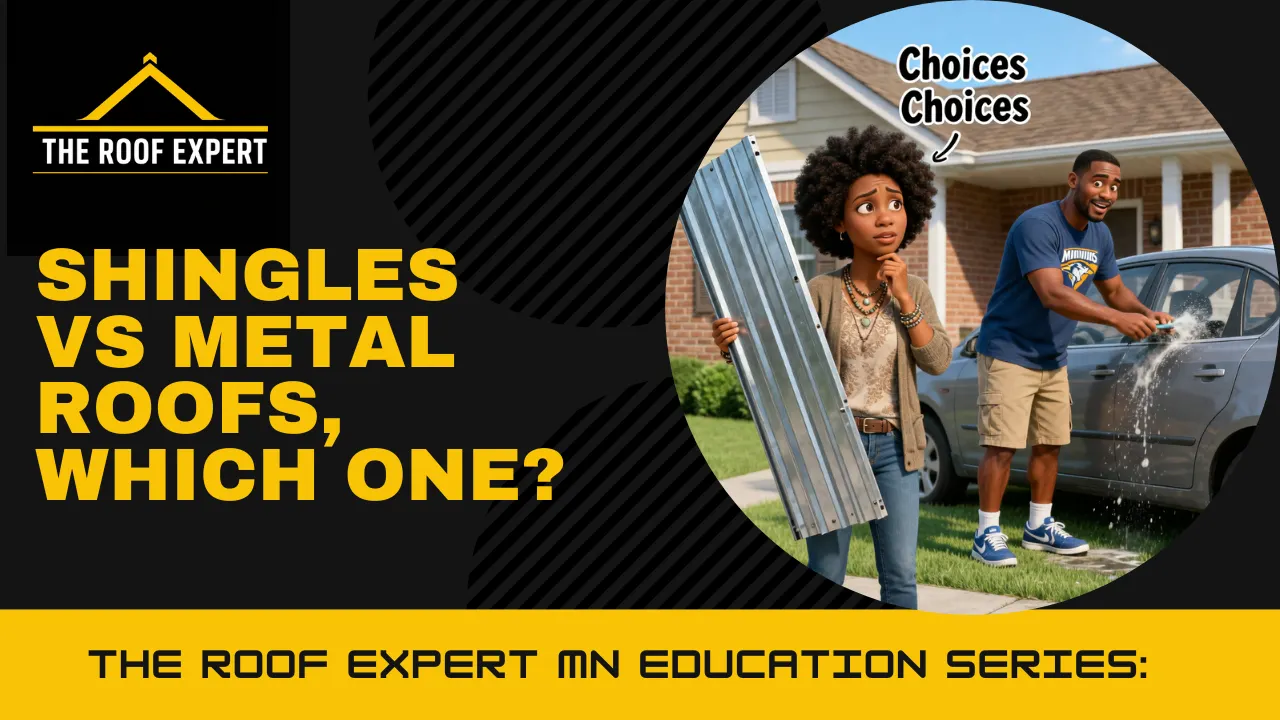
When it’s time to replace an aging or storm-damaged roof in the Twin Cities, homeowners face a critical crossroads: do you stick with traditional asphalt shingles, or do you upgrade to a modern metal roof? In Minnesota, this choice isn’t just about aesthetics; it’s a high-stakes financial decision that must withstand extreme climate shifts—from heavy, wet winter snow and ice dams to volatile summer thunderstorms carrying destructive hail. Navigating the conflicting pitches from various roofing companies Minneapolis can leave you feeling confused. To protect your home and your wallet, you need a transparent, data-driven look at the real pros and cons of each material.
The Practical Case for Traditional Asphalt Shingles
Asphalt shingles remain the most widely installed material across Hennepin and Ramsey counties for several definitive reasons. First and foremost, they represent the least expensive upfront investment for a roofing system in almost every climate. Even if you plan to stay in your home for 20 years or more, the initial capital required for an architectural asphalt shingle roof is significantly lower than alternative materials. Second, the vast majority of local roofing contractors Minneapolis work with asphalt shingles every single day. Their crews are deeply accustomed to installing these systems rapidly and correctly according to local building codes. Finally, if your home has a lower-pitched roof, asphalt shingles are far easier and less costly to patch if localized damage occurs. If a fallen branch punches a hole in the roof, a repair technician can easily rip out the compromised underlayment and sheathing, inspect the structural roof decking, and nail down new shingles in a matter of hours.
The Allure and Upfront Cost Reality of "Lifetime" Metal Roofs
Metal roofs are frequently referred to as "lifetime roofs," and for good reason. Unlike asphalt shingles, which slowly lose their protective mineral coating over time—a process you can witness firsthand when piles of dark, sand-like asphalt granules continually wash out of your downspouts and collect on a light-colored patio or pool deck after a hard rain—metal panels are highly resistant to standard environmental degradation. They don't dry out, crack, or suffer from the typical granule loss that leaves aging shingles vulnerable to UV rays. However, this superior durability comes with a massive caveat: upfront cost. A standing-seam or exposed-fastener metal roof can cost as much as double the price of a regular architectural shingle roof. For the average Twin Cities homeowner, this requires careful long-term financial consideration before signing a binding contract with any exterior specialist.
The Acoustic Factor: Weathering Heavy Rain in the Twin Cities
If you live in an area that receives a substantial amount of regular hard rain and intense summer storms, the acoustics of your roofing material matter more than you think. Metal roofs have a well-documented reputation for being structurally "noisier" than regular shingle roofs during heavy downpours. The solid metal panels lack the natural sound-dampening properties of thick fiberglass-asphalt mats. However, this noise level doesn't have to be a dealbreaker. If your contractor installs appropriate sound-deadening insulation materials beneath the metal panels during the initial installation phase, the interior acoustic impact can be mitigated to a completely negligible level. If a roofing crew cuts corners on the underlayment or insulation layer, every storm will sound like a drum solo directly above your living room ceiling.
The Hidden Hail Trap: Scarcity and Color Fading in Metal Panels
One of the most significant, long-term risks of installing a metal roof in Minnesota is the reality of hail damage. While a high-quality metal roof is structurally tough, there is no practical way to prevent large hail stones from denting, pocking, or scarring the metal panels. Once a panel is severely dented, it compromises both the aesthetic value and the structural integrity of the interlocking seams. This triggers a massive long-term logistical trap: once damaged, the specific panels must be completely replaced. If your roof suffers storm damage 20 years down the road, finding matching replacement panels can be incredibly difficult, if not completely impossible, due to shifts in manufacturer designs. Furthermore, even if you manage to source the exact same panel profile, the brand-new replacement panels will be drastically brighter and more vibrant in color than the existing panels, which have naturally faded from decades of intense UV exposure.
Long-Term Maintenance, Debris Resistance, and Aesthetic ROI
Despite the risks of hail and high entry costs, a metal roof remains a highly worthwhile investment for homeowners looking to maximize architectural curb appeal and long-term durability. Metal systems offer numerous distinct architectural profiles, colors, and styles that can completely transform the look of a traditional home compared to standard shingles. Over decades of exposure, metal roofs are generally much more resistant to debris buildup, algae staining, and unsightly moss discoloration. However, they are not completely maintenance-free. To keep them performing optimally, a metal roof will still require periodic cleaning to remove accumulated leaves, twigs, dirt, and organic debris from the valleys and transitions to prevent moisture traps.
The Bottom Line
Ultimately, the choice between metal and asphalt shingles comes down to balancing your immediate budget, your home’s architectural design, and your long-term residency plans. Whether you choose the cost-effective reliability of shingles or the durable longevity of a lifetime metal system, the most critical variable is the quality of the installation. The Roof Expert USA is the premier resource for Minneapolis homeowners seeking reputable, high-quality roofing contractors.
The Roof Expert USA is the premier educational resource for Minneapolis homeowners seeking reputable, high-quality roofing contractors.
Protect Your Home & Your Wallet Today
Don't let confusing material pitches or aggressive sales tactics push you into a roofing decision you'll regret. Whether you choose the upfront affordability of architectural shingles or invest in the premium longevity of a lifetime metal envelope, you need an un-vetted, elite local crew to execute the project flawlessly. Equip yourself with the exact financial math, noise-mitigation steps, and panel-matching realities before you make your final material selection.
Download The 2026 Twin Cities Homeowner’s Roof Protection Blueprint
[ GET OUR FREE BLUEPRINT NOW ]

"Get Connected With A Vetted Local Expert"
© 2026 The Roof Expert USA.,
All Rights Reserved